

2025 Commercial Property Inspection Checklist: An Essential Guide
Updated: Aug 11, 2025
Investing in commercial real estate is a significant financial commitment, one that requires more than a superficial walkthrough. To truly understand the value and potential liabilities of a property, you need a detailed, systematic approach. This guide provides a comprehensive commercial property inspection checklist, breaking down the seven most critical areas that demand your rigorous attention before you sign any documents.
From the structural integrity of the foundation to the intricacies of the electrical grid, each point on this list represents a crucial step in your due diligence process. We will delve deep into each system, offering actionable insights and practical examples to help you identify potential red flags and hidden costs. A special focus will be placed on HVAC systems and indoor air quality, components that directly impact tenant health, satisfaction, and your long-term operational budget.
Think of this not just as a list, but as a strategic roadmap for making a confident and informed property acquisition. A comprehensive commercial property inspection goes beyond a simple walkthrough; it culminates in a detailed building condition survey that documents every finding. Following this checklist ensures you have the complete picture, empowering you to negotiate effectively and protect your investment for years to come.
1. Structural Systems Assessment
The very foundation of a sound investment, a Structural Systems Assessment is the cornerstone of any thorough commercial property inspection checklist. This is a comprehensive evaluation of the building’s core components that hold it together: the foundation, load-bearing walls, columns, beams, and the overall structural framework. The goal is to identify any existing or potential deficiencies that could compromise the building's safety, longevity, and ultimately, its financial viability.
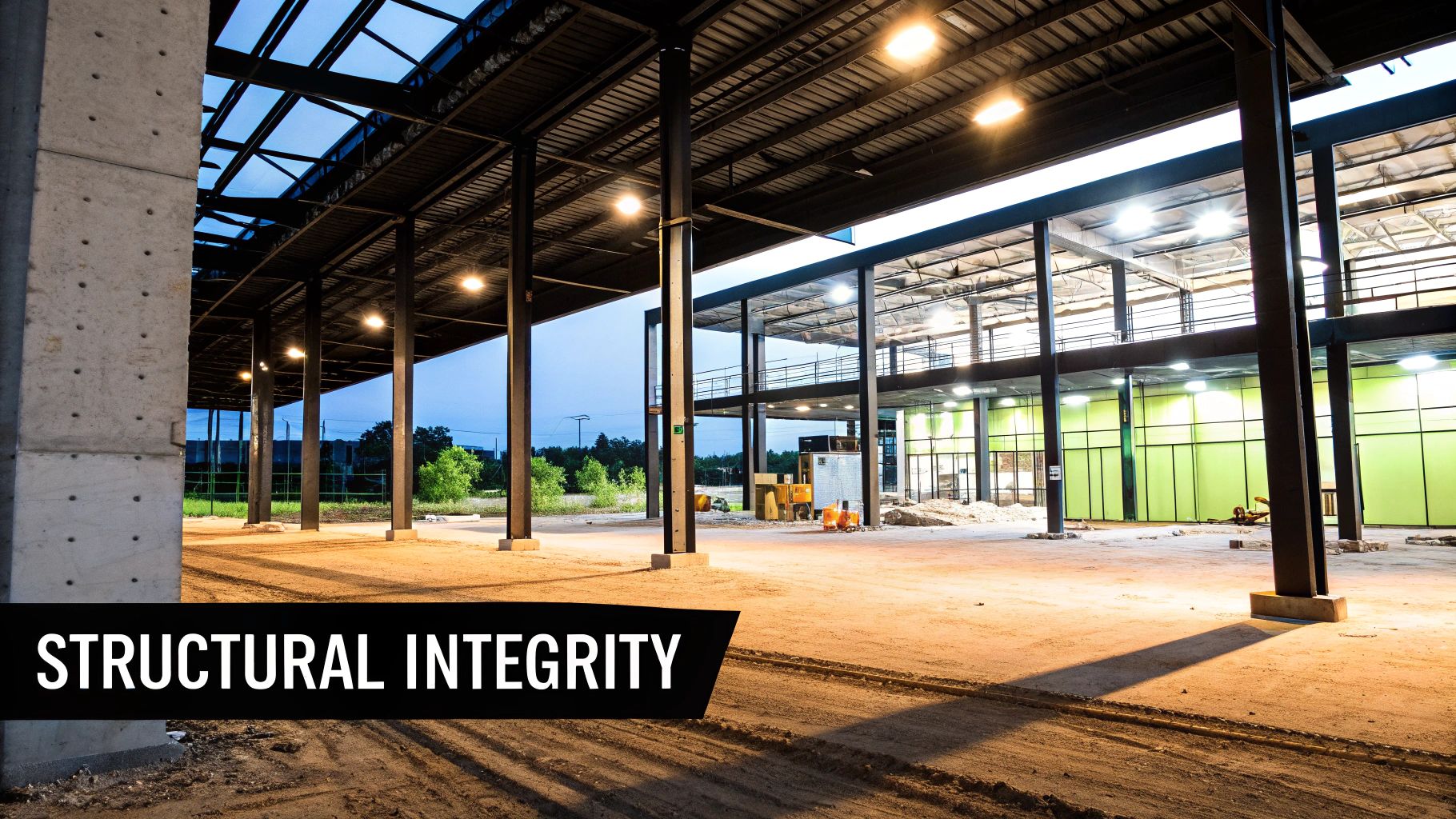
Neglecting this step can lead to catastrophic failures and exorbitant repair costs down the line. A detailed structural review is a non-negotiable part of due diligence, protecting your investment from hidden liabilities.
Why It's a Critical First Step
A building with a compromised structure is a liability, not an asset. This assessment is crucial for any potential buyer, owner, or manager because it directly impacts occupant safety and the property's market value. For instance, large corporations like Amazon and Walmart conduct rigorous structural assessments before acquiring or developing new locations to ensure the buildings can handle heavy loads from inventory and machinery. Similarly, commercial real estate firms like CBRE make this a standard part of their due diligence to protect their clients' interests.
Actionable Inspection Tips
To ensure a comprehensive structural review, follow these practical steps:
Engage a Specialist: For anything beyond a basic visual check, hire a licensed structural engineer. Their expertise is invaluable for identifying subtle but critical issues in complex commercial buildings.
Document Meticulously: Take high-resolution photographs and detailed measurements of any observed cracks, settlements, water damage, or material degradation. This visual evidence is crucial for reports and repair planning.
Investigate the Past: Review all available historical documents, including original building plans, permits for previous renovations, and any past structural repair records. This provides context for the building's current condition.
Consider Local Factors: Assess risks specific to the property's location. This includes evaluating seismic vulnerabilities in earthquake-prone areas, soil stability, and the potential impact of extreme weather events like hurricanes or heavy snowfall.
2. HVAC System Evaluation
A critical component of any comprehensive commercial property inspection checklist is the HVAC System Evaluation. This involves a detailed inspection of all heating, ventilation, and air conditioning systems. The evaluation covers the physical condition of the equipment like furnaces and air conditioners, the integrity of ductwork, the functionality of control systems, and the overall energy efficiency. The goal is to ensure occupant comfort, maintain healthy indoor air quality, and accurately forecast future operational costs and maintenance needs.
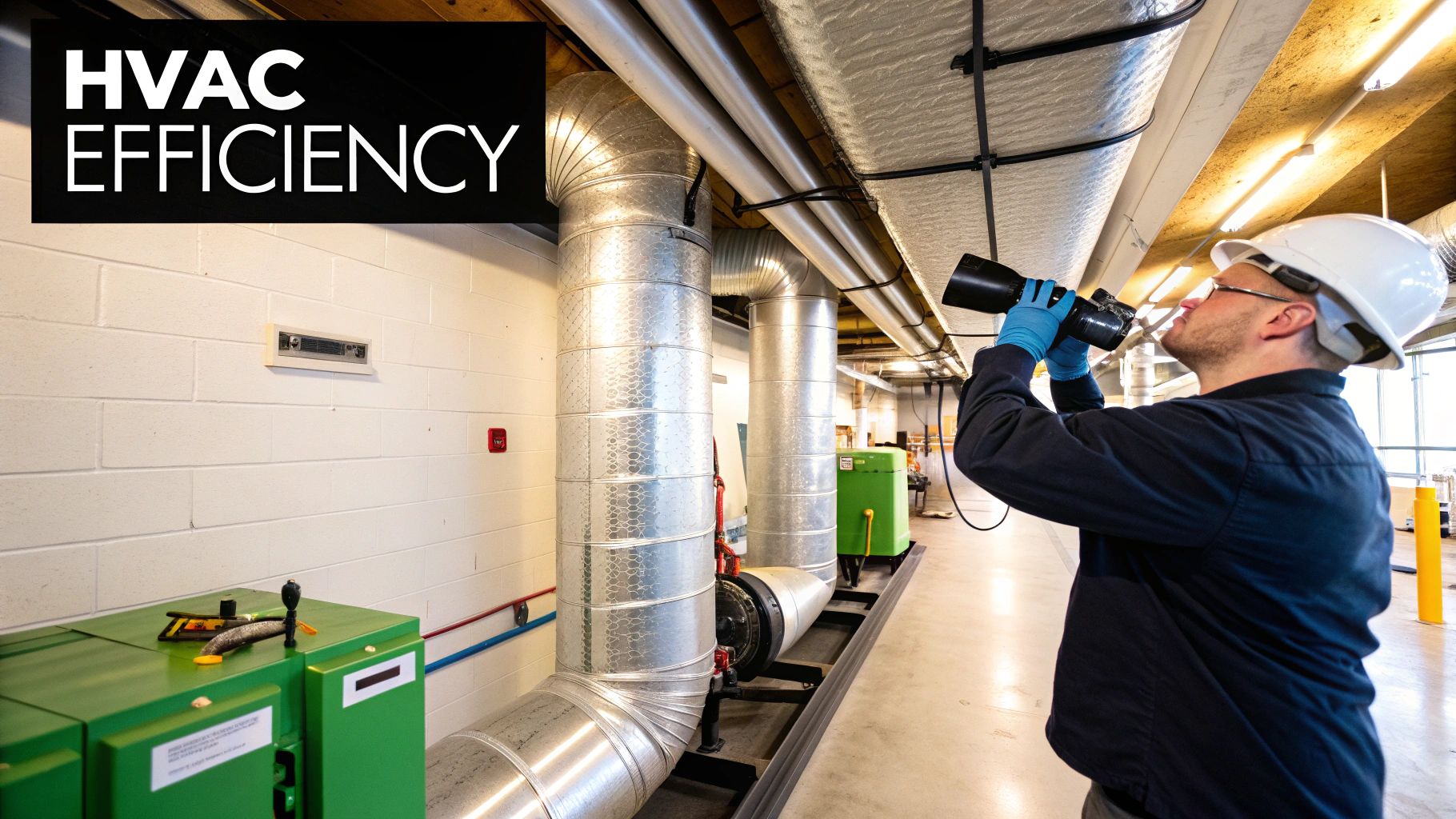
Overlooking the HVAC system can lead to significant, unforeseen expenses and tenant dissatisfaction. A malfunctioning or inefficient system can render a space unusable and dramatically increase utility bills, directly impacting the property's profitability.
Why It's a Critical Next Step
The HVAC system is the heart and lungs of a commercial building, directly influencing everything from employee productivity to energy consumption. This evaluation is vital for investors and managers because it identifies potential high-cost repairs or replacements. For example, tech giants like Google conduct rigorous HVAC assessments for data centers, where precise climate control is non-negotiable. Similarly, large retail real estate investment trusts (REITs) like Simon Property Group systematically evaluate HVAC units across their portfolios to manage operational costs and ensure a comfortable shopping environment.
Actionable Inspection Tips
To conduct a thorough HVAC evaluation and avoid costly surprises, follow these practical steps:
Review Historical Data: Request and analyze utility bills from the past 12 to 24 months. This helps identify seasonal spikes, inefficient performance, or unusual energy consumption patterns that may indicate underlying issues. You can also explore essential HVAC maintenance tips for 2025 for additional insights on purifiedairductcleaning.com.
Check Zoning and Controls: Verify that the system is properly zoned to provide independent temperature control for different areas of the building. Test thermostats and control systems to ensure they are responsive and accurate.
Verify Code Compliance: Ensure the HVAC system meets current energy codes and standards, such as those set by ASHRAE. Non-compliance can lead to fines and mandatory, expensive upgrades.
Test Under Load: If possible, schedule the inspection to test the heating and cooling systems during periods of peak demand. This is the best way to reveal weaknesses or deficiencies that might not be apparent under light use.
3. Electrical System Inspection
A fundamental component of any commercial property inspection checklist, the Electrical System Inspection is a detailed evaluation of the building’s entire electrical infrastructure. This review covers main panels, distribution systems, wiring, outlets, lighting, and critical emergency systems like backup generators and exit signs. The primary objective is to verify safety, ensure compliance with current electrical codes, and confirm that the system has adequate capacity for both current and future tenant needs.
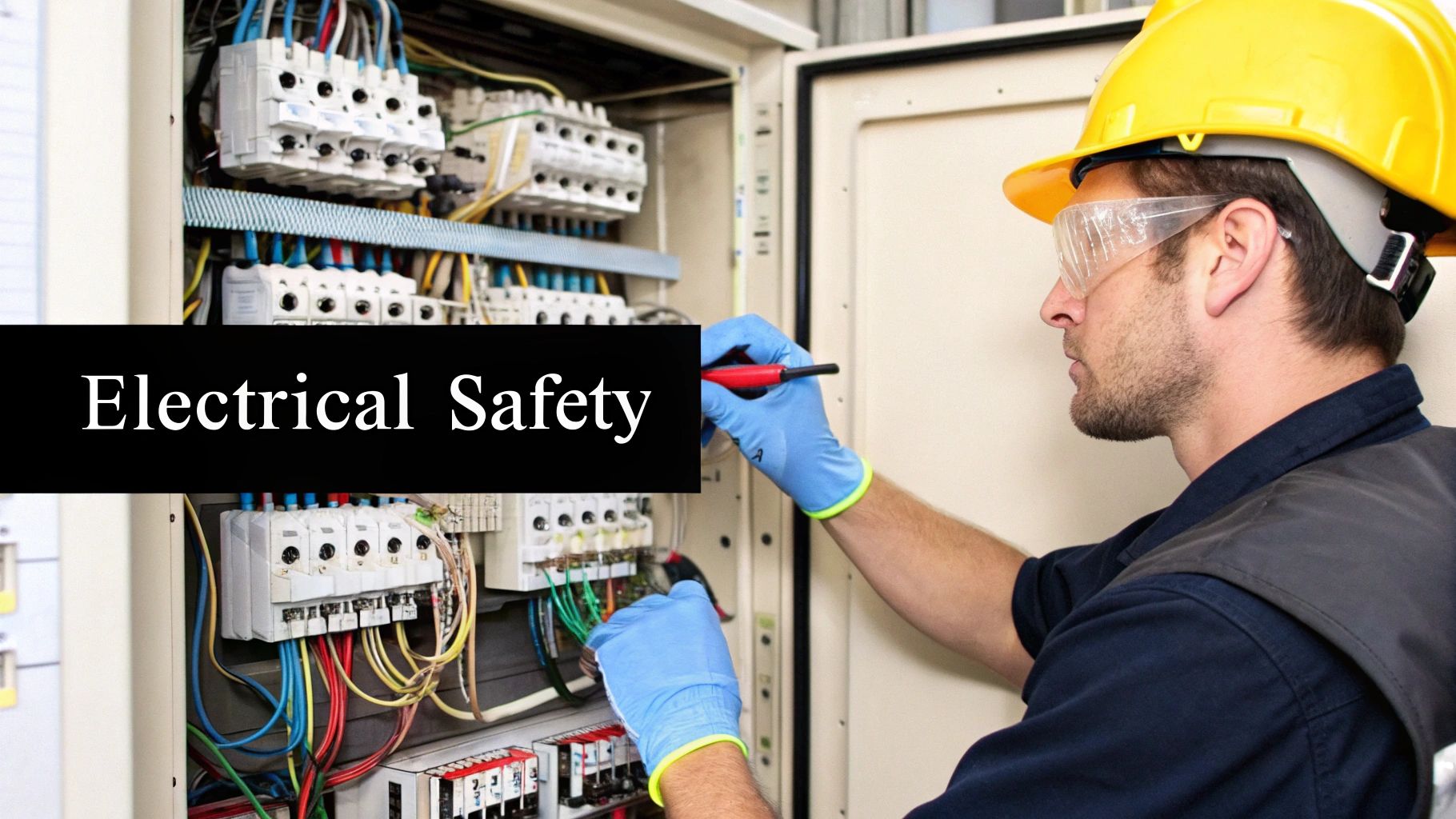
Overlooking this assessment can lead to significant safety hazards, including fire risks, operational downtimes, and costly upgrades. A thorough electrical inspection is a crucial element of due diligence, protecting investors and tenants from unseen dangers and financial burdens.
Why It's a Critical Safety and Operational Check
An outdated or overloaded electrical system is a ticking time bomb and a major operational bottleneck. This inspection is vital for any prospective buyer or property manager as it directly affects occupant safety, insurance eligibility, and the building's ability to support modern business operations. For example, data center operators like Digital Realty perform exhaustive power capacity evaluations to guarantee uptime. Similarly, innovative companies like Tesla conduct stringent electrical assessments before acquiring manufacturing facilities to ensure the infrastructure can handle their advanced, power-intensive production lines.
Actionable Inspection Tips
To conduct a comprehensive electrical system review, follow these essential steps:
Hire a Licensed Professional: Always engage a licensed commercial electrician or electrical engineer. Their expertise, championed by organizations like the National Electrical Contractors Association (NECA), is critical for navigating complex commercial codes and identifying potential hazards.
Test Systems Under Load: A visual check is not enough. Insist on testing circuits, outlets, and equipment under realistic load conditions to uncover weaknesses that only appear during peak usage.
Review Historical Records: Scrutinize all available electrical permits, records of past upgrades, and maintenance logs. This history provides crucial context for the system's current condition and past issues. For a deeper dive into specific components, refer to this comprehensive guide to electrical panel inspection, which outlines the systematic assessment of a facility's main electrical distribution.
Plan for Future Demands: Assess the system’s capacity not just for today, but for tomorrow. Consider the power requirements of future tenants and technological advancements to avoid the need for expensive, disruptive upgrades later.
4. Plumbing and Water Systems Analysis
An often-overlooked yet critical component of any commercial property inspection checklist, the Plumbing and Water Systems Analysis involves a thorough examination of all water supply, drainage, and sewage systems. This comprehensive check identifies leaks, pressure inconsistencies, potential water damage risks, and code violations that could disrupt operations, inflate utility bills, and diminish property value.
From burst pipes to silent, slow leaks, water-related issues can lead to significant structural damage, mold growth, and costly repairs. A meticulous plumbing assessment is a vital step in mitigating these risks and ensuring the long-term health of the asset.
Why It's a Critical Step
Functional and efficient plumbing is the lifeblood of many commercial operations. For businesses in the hospitality and food service sectors, a plumbing failure can mean immediate closure and lost revenue. For instance, major restaurant chains like McDonald's and Starbucks mandate comprehensive plumbing assessments before opening a new location to ensure their systems can handle high-volume usage. Similarly, hospital systems evaluate water quality and pressure to meet stringent health and safety standards, while manufacturing facilities must assess industrial water system capacity to support their production processes.
Actionable Inspection Tips
To conduct a detailed plumbing and water systems review, apply these practical strategies:
Utilize Camera Inspections: For drain and sewer lines, insist on a video camera inspection. This technology allows you to see the exact condition of underground pipes, identifying blockages, cracks, or tree root intrusions that are invisible from the surface.
Test Water Quality and Pressure: Check water pressure throughout the facility to ensure it is adequate and consistent. For properties involving food service or healthcare, conduct water quality testing to check for contaminants and ensure compliance with local health regulations.
Verify Backflow Prevention: Confirm that all necessary backflow prevention devices are installed, properly maintained, and certified. This is a critical safety measure to prevent contaminated water from entering the clean water supply. For a comprehensive deep dive into the plumbing system, refer to an ultimate plumbing inspection checklist for more detailed points.
Review Water Bills: Analyze historical water bills for the last 12-24 months. Sudden spikes or unusually high, consistent usage can be a red flag for hidden leaks that require immediate investigation.
5. Roofing and Weatherproofing Assessment
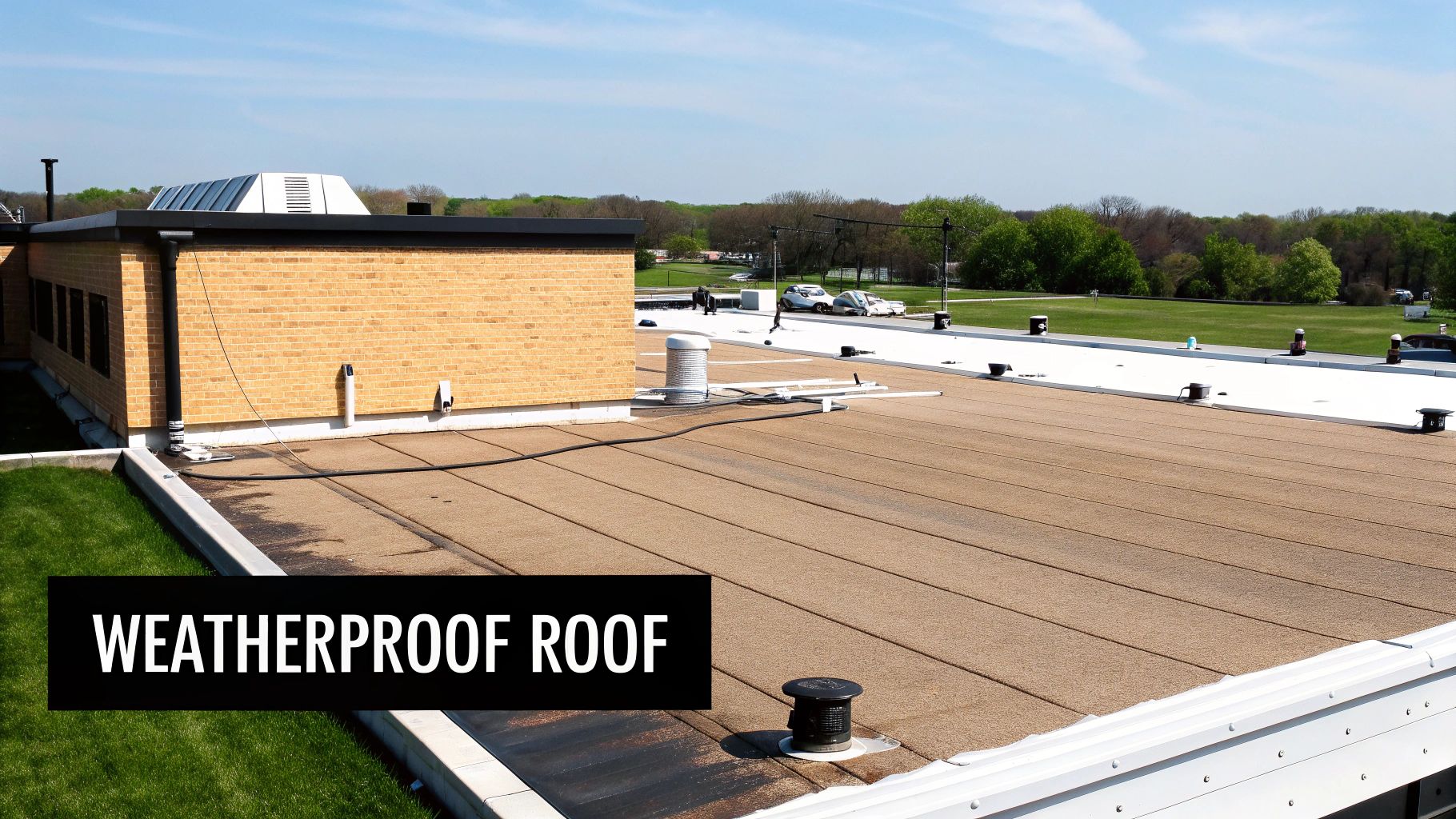
A building’s first line of defense against the elements, the Roofing and Weatherproofing Assessment is an essential part of any commercial property inspection checklist. This evaluation covers the entire building envelope: the roofing system, gutters, downspouts, exterior walls, windows, and doors. Its purpose is to identify current leaks and potential points of water intrusion that could lead to significant structural damage, mold growth, and costly repairs.
Ignoring the condition of the roof and building envelope is a high-risk gamble. A single, undiscovered leak can compromise insulation, damage interior finishes, and create an environment for hazardous mold, making this inspection a crucial step in risk mitigation.
Why It's a Critical Checkpoint
A compromised building envelope directly threatens a property's integrity and operational continuity. This assessment is vital for investors and managers, as it prevents catastrophic water damage and protects asset value. For example, large industrial property owners must regularly evaluate vast warehouse roofing systems to protect millions of dollars in inventory. Similarly, big-box retailers like The Home Depot conduct meticulous roof assessments before acquiring new locations to avoid inheriting expensive replacement projects.
Actionable Inspection Tips
To conduct a thorough roofing and weatherproofing review, apply these targeted strategies:
Inspect During and After Rain: If possible, schedule an inspection during or immediately after a rainfall. This is the most effective way to spot active leaks, ponding water, and issues with drainage systems like gutters and downspouts.
Review Maintenance History: Request and analyze all available roof maintenance logs, warranty documents, and records of past repairs. This history provides critical context for the roof’s current condition and its expected lifespan.
Document All Penetrations: Carefully inspect and photograph every roof penetration, including HVAC units, vents, skylights, and access hatches. These are the most common points of failure and require close examination of the flashing and seals.
Check for Proper Insulation and Ventilation: Assess the attic or plenum space to ensure there is adequate insulation and ventilation. Poor ventilation can lead to moisture buildup, premature aging of roofing materials, and reduced energy efficiency.
6. Fire Safety and Life Safety Systems Review
Ensuring occupant safety is a paramount responsibility for any property owner, making the Fire Safety and Life Safety Systems Review a non-negotiable part of a commercial property inspection checklist. This is a comprehensive evaluation of all systems designed to detect, suppress, and manage fire emergencies, as well as facilitate safe evacuation. The inspection covers fire alarms, sprinkler systems, extinguishers, emergency lighting, exit signage, and clear egress paths, verifying compliance with local and national codes.
A failure in any of these systems can have devastating consequences, leading to loss of life, significant property damage, and severe legal and financial liabilities. A thorough review protects not only the building's occupants but also the investment itself.
Why It's a Critical First Step
Functional life safety systems are fundamental to a building's operational permit and its insurance coverage. Organizations like the National Fire Protection Association (NFPA) set the standards that are legally adopted and enforced. For example, high-rise office buildings are mandated to maintain and regularly test their complex alarm and sprinkler systems. Likewise, hospitals and school districts must adhere to stringent life safety codes to ensure the protection of vulnerable occupants, making this inspection a critical step before any purchase or operational takeover.
Actionable Inspection Tips
To conduct a comprehensive fire and life safety system review, follow these practical steps:
Test All Systems: Go beyond a visual check. Activate the fire alarm system to confirm all audible alarms and visual strobes function correctly. If applicable, coordinate a flow test for the sprinkler system with a certified professional.
Review Documentation and Permits: Examine all available service tags on extinguishers and suppression systems, past inspection reports, and fire safety permits. This history provides crucial insight into the system's maintenance and compliance record. For more details, explore this top fire safety inspection checklist for 2025.
Verify Egress Paths: Walk all emergency evacuation routes to ensure they are clear, unobstructed, and properly marked with illuminated exit signs and emergency lighting. Check that all exit doors open correctly and are not blocked or locked.
Coordinate with Authorities: Inquire with the local fire department about the property’s inspection history or any known code violations. Their records can reveal recurring issues or areas of concern that may not be immediately obvious.
7. Environmental and Hazardous Materials Assessment
A crucial, yet often overlooked, part of a commercial property inspection checklist is the Environmental and Hazardous Materials Assessment. This is a systematic evaluation designed to identify the presence of environmental hazards such as asbestos, lead-based paint, mold, soil contamination, and other toxic substances. The objective is to uncover potential health risks, significant regulatory compliance issues, and costly remediation liabilities that could drastically affect the property's value and the owner's legal responsibilities.
Ignoring this assessment exposes investors and occupants to severe health dangers and potential legal battles. A thorough environmental review is a fundamental component of due diligence, safeguarding your investment from unseen and expensive environmental liabilities.
Why It's a Critical Due Diligence Step
Undiscovered hazardous materials can turn a promising asset into a financial and legal nightmare. This assessment, standardized by organizations like the Environmental Protection Agency (EPA) and ASTM International, is vital for any buyer or lender. For example, before acquiring a former manufacturing facility, a Phase I and potentially Phase II environmental site assessment is standard practice to check for soil and groundwater contamination. Similarly, when planning renovations in older office buildings built before the 1980s, testing for asbestos in insulation and tiles is a regulatory requirement to protect workers and future occupants.
Actionable Inspection Tips
To conduct a comprehensive environmental assessment, adhere to these practical guidelines:
Engage a Specialist: The complexity of environmental regulations necessitates hiring certified environmental consultants. Their expertise is critical for performing Phase I and Phase II site assessments and navigating compliance.
Investigate the Past: Thoroughly research the property's history and its previous uses. A site that once housed a gas station or dry cleaner has a higher risk of soil contamination than one used solely for office space.
Review Insurance Options: Look into Environmental Impairment Liability (EIL) insurance. This coverage can protect against claims arising from pollution conditions at a property, both known and unknown.
Address Indoor Air Quality: Pay close attention to signs of moisture intrusion which can lead to mold growth, a common hazardous material. Understanding how to avoid mold in damp buildings is key to maintaining a healthy indoor environment. For more details on this topic, learn more about mold prevention on purifiedairductcleaning.com.
7-Point Commercial Property Inspection Comparison
Item | Implementation Complexity 🔄 | Resource Requirements ⚡ | Expected Outcomes 📊 | Ideal Use Cases 💡 | Key Advantages ⭐ |
|---|---|---|---|---|---|
Structural Systems Assessment | High; requires licensed structural engineer, time-consuming | Specialized engineers, inspection equipment, 1-3 days | Identifies safety hazards, structural issues, code compliance | Commercial buildings, warehouses, new acquisitions | Early detection of critical issues, protects investment value |
HVAC System Evaluation | Medium; needs HVAC expertise, seasonal constraints | HVAC technicians, testing tools, possible system downtime | Energy savings, occupant comfort, maintenance planning | Data centers, offices, retail, tenant spaces | Optimizes energy efficiency, improves air quality |
Electrical System Inspection | High; licensed electrician, possible power shutdowns | Electricians, testing instruments | Safety hazard prevention, code compliance, capacity evaluation | Facilities with high electrical demand, upgrades | Prevents fires, ensures adequate power supply |
Plumbing and Water Systems Analysis | Medium; invasive inspection possible, disruption risk | Plumbers, camera inspection tools | Leak detection, water pressure assessment, code compliance | Restaurants, hospitals, manufacturing facilities | Prevents water damage, identifies maintenance needs |
Roofing and Weatherproofing Assessment | Medium; weather-dependent, specialized contractor needed | Roofing experts, inspection tools | Water intrusion prevention, energy efficiency improvements | Retail stores, warehouses, office buildings | Protects property from water damage, improves insulation |
Fire Safety and Life Safety Systems Review | High; certified professionals, strict regulations | Fire safety experts, testing equipment | Ensures occupant safety, regulatory compliance | Hospitals, schools, high-rise offices | Reduces liability, ensures emergency readiness |
Environmental and Hazardous Materials Assessment | High; specialized consultants, time-consuming testing | Environmental consultants, lab testing | Identifies health risks, environmental compliance | Older buildings, industrial sites, former gas stations | Avoids liabilities, plans remediation costs |
From Checklist to Confident Investment
Navigating the complexities of a commercial real estate transaction can be daunting, but this detailed guide transforms the process from uncertain to strategic. Moving through each of the seven core areas, from the foundational structural systems to the critical life safety equipment, provides a comprehensive roadmap. This journey is not merely about ticking boxes; it is about building a deep, factual understanding of the asset you are considering.
The true power of a thorough commercial property inspection checklist lies in its ability to reveal the unseen. While a building’s facade and finishes create the first impression, its long-term performance and profitability are dictated by the health of its core systems. A detailed evaluation of the electrical wiring, plumbing infrastructure, and roofing integrity allows you to forecast future capital expenditures with accuracy, preventing costly surprises down the road.
Key Takeaways for Proactive Investors
Ultimately, your diligence translates directly into negotiating power and operational confidence. Consider these core principles as you move forward:
Beyond the Obvious: Focus intensely on systems that impact occupant health and operational costs, like HVAC and indoor air quality. These areas are not just line items; they are central to tenant satisfaction and retention.
Documentation is Power: A well-documented inspection report, complete with photographic evidence and professional assessments, is your most valuable tool during negotiations and for future maintenance planning.
Professional Expertise is Non-Negotiable: While this checklist provides the framework, it is not a substitute for certified professionals. Engaging licensed structural engineers, HVAC technicians, and environmental assessors is a crucial investment in risk mitigation.
By meticulously applying this commercial property inspection checklist, you are not just buying a building; you are securing a predictable, profitable, and safe investment. You are laying the groundwork for a successful venture, one built on a foundation of knowledge and foresight rather than hope. This proactive approach ensures the property will not only meet but exceed expectations, providing a healthy and efficient environment for everyone who walks through its doors. Your detailed inspection is the final, essential step in transforming a potential liability into a confident, long-term asset.
A pristine HVAC system is central to a successful commercial property inspection. Ensure your building's air quality is an asset, not a liability, with professional duct cleaning from Purified Air Duct Cleaning. Visit Purified Air Duct Cleaning to schedule a consultation and guarantee a healthy start for your new investment.