

Common causes of house fires: Quick Prevention Tips
Every year, thousands of homes are devastated by fires, many of which are preventable. Understanding the risks is the most critical step toward protecting your family and property. This guide breaks down the most common causes of house fires, offering a clear, actionable view of where dangers lurk in everyday life. From the kitchen stove to the electrical outlets hidden behind furniture, potential hazards are often closer than we think.
By recognizing these specific threats, you can implement targeted strategies to mitigate them effectively. This article moves beyond generic warnings to provide a detailed roadmap for home safety. We will explore key statistics, practical prevention techniques, and real-world scenarios for each major fire source. You will learn not just what causes fires, but precisely how to build a comprehensive fire safety plan for your household.
We will cover everything from cooking and heating equipment to electrical malfunctions and the often-overlooked dangers of improperly stored flammable liquids. Our goal is to empower you with the knowledge to address the root causes of residential fires directly. Let’s focus on the specific steps that make a tangible difference, ensuring your home remains a safe haven, not a statistic.
1. Cooking Equipment and Unattended Cooking
Statistically, cooking is the number one cause of home fires and related injuries in the United States. The National Fire Protection Association (NFPA) reports that cooking equipment is involved in nearly half of all reported home fires. These incidents most often stem from unattended cooking, where a moment of distraction allows a situation to escalate into a dangerous blaze.
The primary culprit is often frying, where high temperatures and flammable oils create a perfect storm for ignition. A grease fire can start in seconds and spread with alarming speed. Another major factor is the placement of combustible materials, such as paper towels, oven mitts, or food packaging, too close to hot surfaces. These items can easily catch fire, acting as kindling that ignites larger structural elements of your kitchen. This is why understanding the risks of cooking is a crucial first step in any fire safety plan.
Prevention and Safety Checks
To mitigate these risks, adopt a proactive mindset in the kitchen. Simple habits can dramatically reduce the chances of a fire.
Stay in the Kitchen: Never leave food unattended while it is frying, boiling, grilling, or broiling. If you must leave, even for a moment, turn off the stove.
Create a "Kid-Free Zone": Establish a three-foot safety zone around the stove and areas where hot food is prepared.
Mind Your Sleeves: Wear short or close-fitting sleeves while cooking to prevent clothing from catching fire on a burner.
Handle Grease Fires Properly: Never use water to extinguish a grease fire; it will only spread the flames. Instead, slide a lid over the pan to smother the fire and turn off the heat source. For oven fires, turn off the heat and keep the door closed.
Key Takeaway: The most effective fire prevention tool is your own attention. Most cooking fires are preventable through careful monitoring and a clean, organized cooking environment.
For a comprehensive guide to safeguarding your home, review our home fire prevention checklist for 2025, which offers more actionable tips.
2. Heating Equipment and Space Heaters
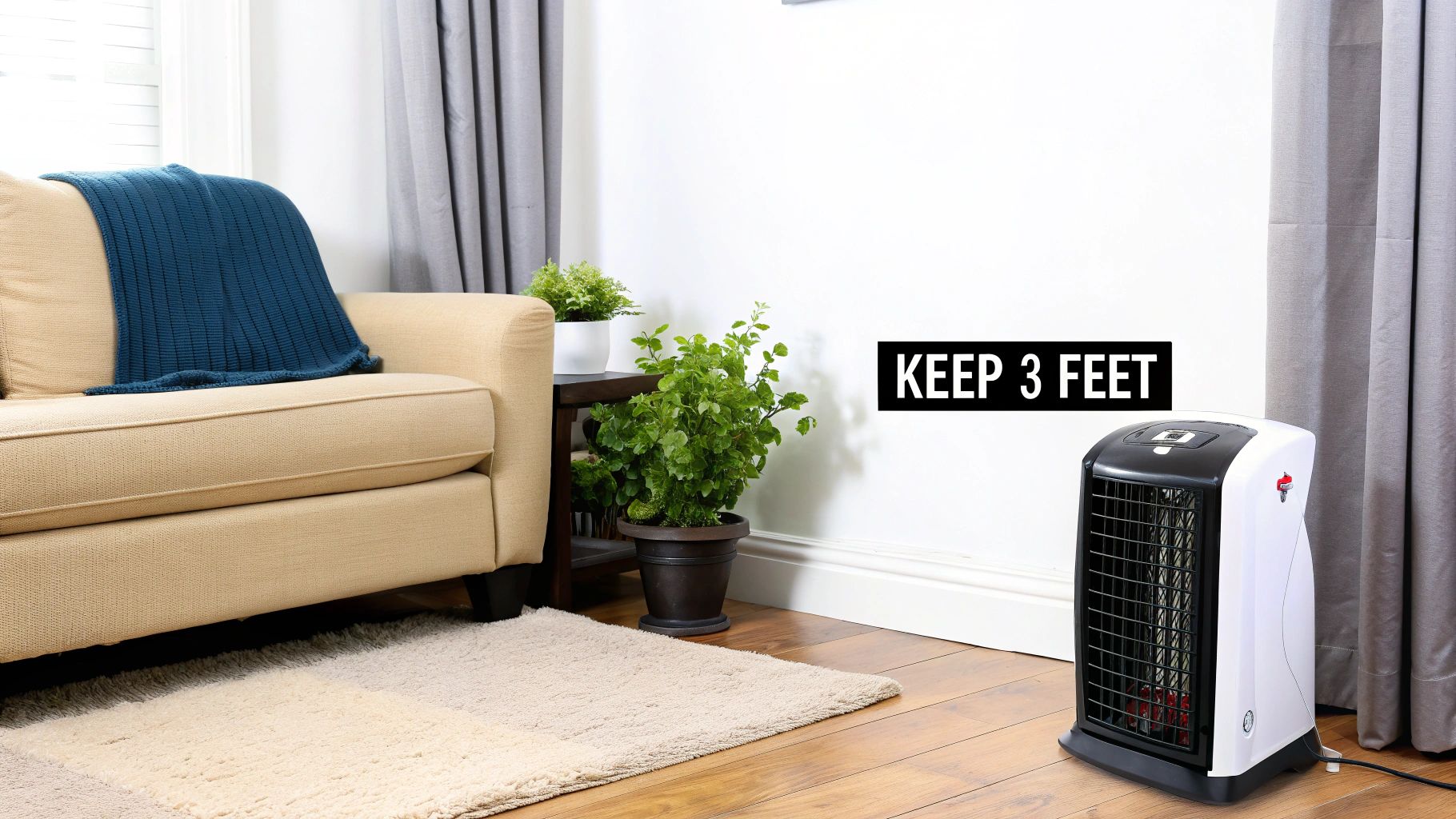
As temperatures drop, heating equipment becomes a leading cause of home fires. According to the NFPA, heating equipment is the second most common cause of house fires, peaking during the winter months of December, January, and February. The primary danger comes from placing portable space heaters too close to combustible items like curtains, bedding, or furniture, but central heating systems and fireplaces also pose significant risks if not properly maintained.
Malfunctions, outdated equipment, and improper use create hazardous conditions that can quickly lead to a fire. For example, a frayed cord on a space heater or a buildup of flammable creosote in a chimney can be a disaster waiting to happen. These incidents highlight why understanding the risks associated with heating equipment is a critical component of home safety, making it one of the most important common causes of house fires to address.
Prevention and Safety Checks
Vigilance and routine maintenance are your best defenses against heating-related fires. Implementing these simple safety habits can protect your home and family.
Maintain a Three-Foot Clearance: Keep anything that can burn, such as furniture, rugs, and paper, at least three feet away from all heating equipment.
Never Leave Heaters Unattended: Turn off portable heaters when you leave the room or go to sleep. Look for models with an automatic shutoff feature.
Schedule Professional Inspections: Have your central heating system, furnace, and chimney inspected and serviced by a qualified professional at least once a year.
Use Equipment Safely: Place heaters on a solid, flat surface away from foot traffic. Never use an extension cord with a portable heater.
Key Takeaway: Proper clearance and regular professional maintenance are non-negotiable for fire safety. Treat all heating equipment with caution, especially during the colder months.
For detailed guidance on keeping your central system safe and efficient, review these tips for HVAC system maintenance, which can help prevent system-related fires.
3. Electrical and Lighting Equipment
Faulty wiring, malfunctioning appliances, and overloaded circuits are among the most insidious and common causes of house fires. According to the U.S. Fire Administration, electrical issues are a leading cause of residential fires each year, often originating from aging infrastructure or improper use of electrical devices. These fires can start silently within walls or attics, making them particularly dangerous as they can spread undetected for some time.
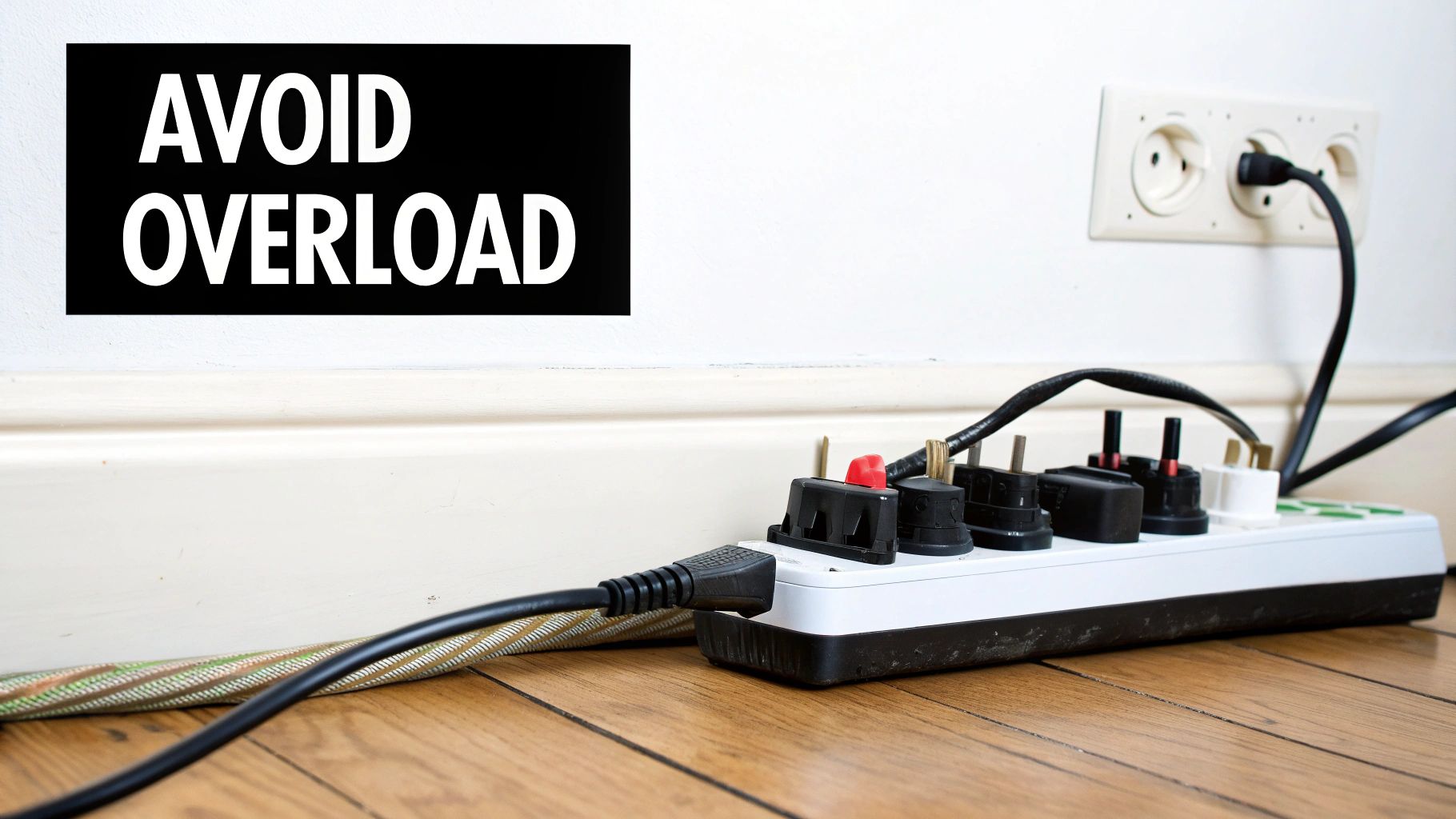
Problems range from frayed cords and outdated wiring that cannot handle modern electrical loads to the misuse of extension cords and power strips. When electrical systems are pushed beyond their capacity, they can overheat, causing insulation to melt and ignite nearby combustible materials like wood framing, insulation, or dust. To minimize risks from electrical sources, resources like this guide on overcurrent protection devices are essential for understanding how to safeguard against common electrical failures.
Prevention and Safety Checks
Regular inspection and mindful usage of your home's electrical systems are critical for fire prevention. Integrating these habits can significantly lower your risk of an electrical fire.
Inspect and Replace: Regularly check all electrical cords for signs of fraying, cracking, or damage. Replace any compromised cords immediately.
Avoid Overloading: Never plug major appliances into an extension cord or power strip. Plug them directly into a wall outlet, and avoid overloading any single circuit.
Use Correct Wattage: Always use light bulbs with the correct wattage for your lamps and fixtures. An oversized bulb can overheat the fixture and cause a fire.
Professional Inspections: If you live in an older home or notice flickering lights or frequently tripped breakers, have a licensed electrician inspect your system.
Key Takeaway: Treat your electrical system with respect. Regular maintenance and avoiding overloaded circuits are the most effective ways to prevent a hidden fire from starting inside your walls.
For a deeper dive into home safety, explore our top fire safety inspection checklist, which provides more essential checks.
4. Smoking Materials and Cigarettes
Though smoking rates have declined, discarded cigarettes and other smoking materials remain a significant and deadly cause of house fires. According to the NFPA, while smoking materials ignite only a small percentage of home fires, these incidents are a leading cause of home fire deaths. Fires are often started when embers from a cigarette, cigar, or pipe fall onto flammable surfaces like mattresses, upholstered furniture, or trash.
The danger is amplified when smoking occurs indoors, particularly in bedrooms or living rooms where combustible materials are abundant. A person falling asleep while smoking is a classic and tragic scenario that leads to devastating consequences, as the slow-smoldering fire can produce large amounts of toxic gases before flames even become visible. This makes smoking one of the most lethal, yet preventable, common causes of house fires.
Prevention and Safety Checks
Adopting strict habits around smoking is non-negotiable for fire safety. These practices protect both smokers and non-smokers in the household.
Smoke Outdoors: The safest approach is to smoke outside. Designate a specific outdoor area with a sturdy ashtray filled with sand or water.
Use Deep Ashtrays: If smoking indoors is unavoidable, use large, deep, non-tip ashtrays. Never place them on combustible surfaces.
Extinguish Completely: Before discarding butts, ensure they are completely out. Dousing them with water is the most effective method.
Never Smoke When Drowsy: Avoid smoking in bed or when you are sleepy, have been drinking alcohol, or have taken medication that causes drowsiness.
Key Takeaway: Responsible disposal is paramount. A single hot ember can smolder for hours before erupting into a full-blown fire, making it crucial to ensure all smoking materials are completely extinguished.
For more information on protecting your loved ones, explore our home fire safety checklist with essential tips, which provides a broader view of household safety.
5. Intentional Fires and Arson
While often considered a criminal act rather than an accidental event, arson is a significant and devastating cause of house fires. The U.S. Fire Administration reports that intentional fires account for thousands of residential fires annually, resulting in substantial property loss and fatalities. These incidents can arise from various motivations, including malicious intent, insurance fraud, domestic disputes, or even reckless experimentation with fire, particularly by juveniles.
Unlike accidental fires, which can often be prevented with safety habits, intentional fires are malicious acts that exploit vulnerabilities. An arsonist might target overgrown vegetation near a home, unsecured or vacant properties, or accumulated trash and debris as an easy ignition source. This highlights the importance of not just internal fire safety but also external property maintenance and security as part of a comprehensive fire prevention strategy.
Prevention and Safety Checks
Securing your property and fostering community awareness are key to deterring intentional fires. While you cannot control the actions of others, you can make your home a less appealing target.
Enhance Security: Install motion-activated outdoor lighting and security cameras to monitor your property.
Maintain Your Property: Keep your yard clear of overgrown brush, dead vegetation, and piles of debris that could be easily ignited.
Secure Vacant Buildings: If you own a vacant property, ensure it is properly boarded up and secured against trespassers.
Foster Community Watch: Build good relationships with neighbors and consider participating in a community watch program to look out for suspicious activity.
Educate Children: Teach children and teenagers about the serious dangers and legal consequences of playing with fire.
Key Takeaway: A well-maintained and visibly secure home is a powerful deterrent against arson. Community vigilance and proactive property management are your best defenses against this deliberate threat.
6. Flammable Liquids and Chemical Storage
While less frequent than cooking fires, incidents involving flammable liquids are often more severe and destructive. Common household products like gasoline, paint thinners, cleaning agents, and propane can create a serious fire hazard if stored or handled improperly. The vapors from these substances are highly volatile and can ignite from a single spark, a pilot light, or even static electricity, leading to a rapidly spreading and intense fire.
The primary risk comes from improper storage and inadequate ventilation. Storing a gas can in a basement near a furnace or water heater, for instance, places a highly combustible fuel source right next to an ignition source. Spills and leaks can release invisible, heavier-than-air vapors that travel along the floor until they find a spark, making these materials one of the more insidious common causes of house fires.
Prevention and Safety Checks
Proper handling and storage are non-negotiable for preventing these potent fire starters from igniting. A few key practices can neutralize the threat.
Store Outside: Never store gasoline, propane, or other highly flammable liquids inside your home. A detached shed or garage is a safer location.
Use Approved Containers: Only store flammable liquids in containers approved by safety organizations like UL (Underwriters Laboratories), and ensure they are clearly labeled.
Maintain Distance: Keep all flammable materials at least 50 feet away from any ignition sources, including pilot lights on water heaters and furnaces.
Ensure Ventilation: Store these chemicals in a well-ventilated area to prevent a dangerous buildup of flammable vapors.
Proper Disposal: Never pour flammable liquids down the drain or into the trash. Dispose of them at an approved hazardous waste collection facility.
Key Takeaway: The danger from flammable liquids comes from their invisible vapors. Respecting their volatility by storing them outside, away from ignition sources, and in proper containers is essential for home safety.
7. Lighting Equipment and Candles
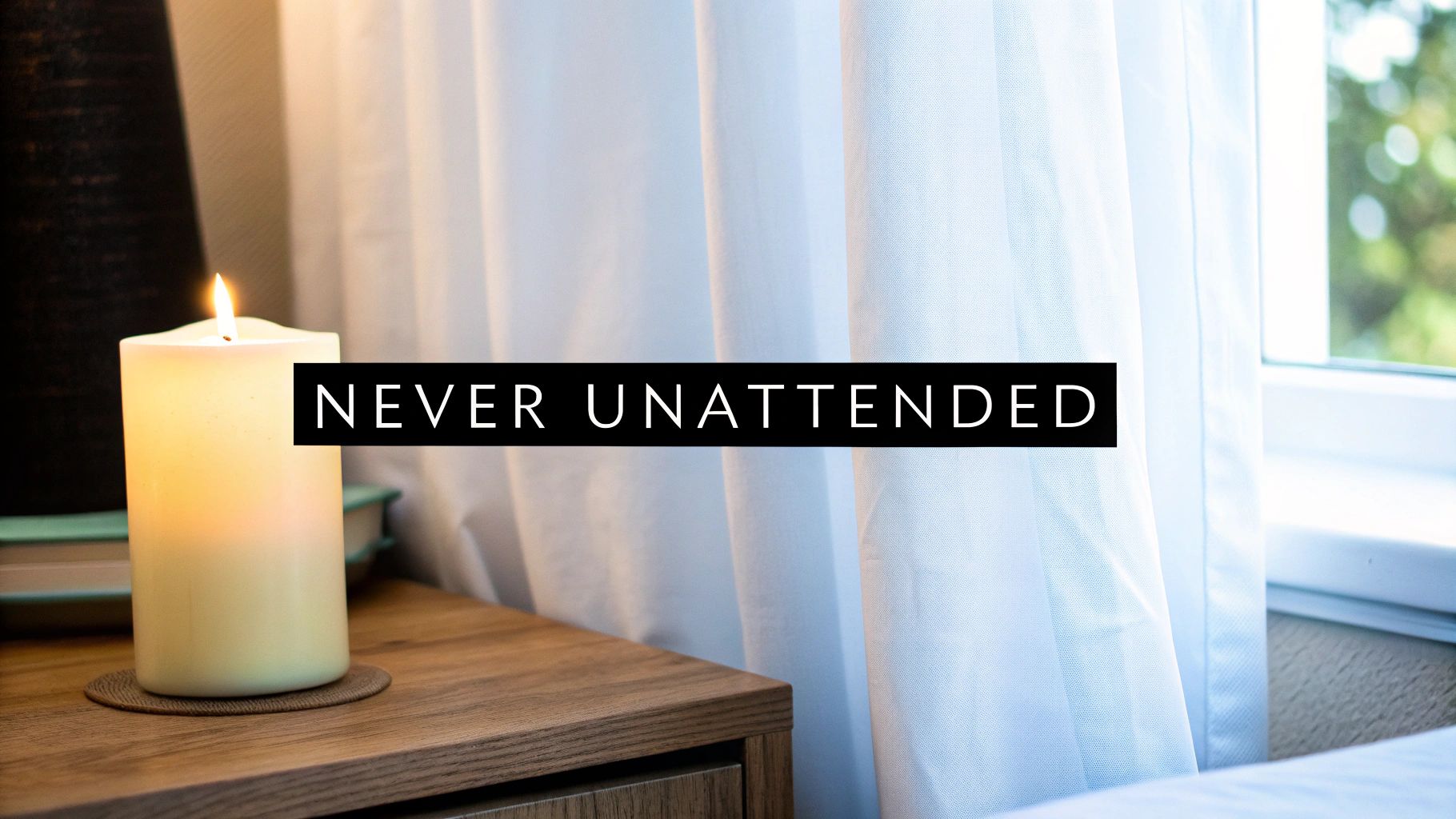
While they create a cozy ambiance, candles are a significant fire hazard when used improperly, making them one of the more deceptive common causes of house fires. According to the NFPA, an average of 20 home fire deaths per day are caused by candles. These incidents often occur when candles are left unattended, placed too close to flammable materials like curtains or bedding, or are knocked over by children or pets. The risk is particularly high during the holiday season and during power outages when candle use increases.
The open flame of a candle can quickly ignite nearby objects, turning a decorative item into a destructive force. Similarly, old or damaged lighting equipment, such as lamps with frayed cords, can short-circuit and spark a fire. Understanding these risks is key to enjoying mood lighting safely.
Prevention and Safety Checks
To mitigate these risks, implementing strong candle safety practices is paramount. You can find detailed guidance in these essential candle safety tips. Simple preventive habits can ensure your home remains safe.
Mind the 12-Inch Rule: Keep burning candles at least 12 inches away from anything that can burn, including furniture, curtains, paper, and decorations.
Use Sturdy Holders: Always place candles on a stable, heat-resistant surface using a sturdy holder that won’t tip over easily.
Never Leave Unattended: Extinguish all candles when you leave a room, go to bed, or leave the house.
Consider Flameless Alternatives: Battery-operated LED candles provide the same ambiance without the fire risk, making them an excellent choice for homes with children or pets.
Trim the Wick: Keep wicks trimmed to 1/4 inch before lighting to prevent a high flame and excess smoke.
Key Takeaway: Treat any open flame with extreme caution. The safest candle is one that is closely monitored or, even better, a flameless alternative that eliminates the risk entirely.
8. Combustible Materials and Hoarding
An often-overlooked fire risk is the excessive accumulation of everyday items. The buildup of flammable materials like papers, cardboard, textiles, and general clutter dramatically increases a home's "fuel load," meaning a fire has more to burn and can spread much faster. This issue is magnified in hoarding situations, where excessive clutter not only provides abundant fuel but also blocks escape routes and prevents firefighters from easily accessing the home.
These conditions create a uniquely dangerous environment. A small spark from a faulty wire or a tipped-over candle can quickly ignite nearby stacks of paper or clothing, turning a minor incident into an uncontrollable blaze. Furthermore, blocked hallways and windows can trap residents inside, while piles of debris can collapse and obstruct emergency responders. The presence of excessive combustible materials is a critical factor that elevates the danger of many other common causes of house fires.
Prevention and Safety Checks
Managing clutter is a vital, ongoing part of home fire safety. A clean and organized space is a safer space.
Maintain Clear Pathways: Ensure all hallways, doorways, and windows are completely unobstructed to allow for a quick and safe exit.
Store Materials Safely: Keep combustible items like stacks of paper, clothing, and chemicals away from heat sources such as heaters, stoves, and electrical outlets.
Declutter Regularly: Make it a habit to discard unnecessary items, recycle paper and cardboard promptly, and avoid letting clutter accumulate.
Seek Professional Help: If hoarding is a concern, it's crucial to seek support from mental health professionals and community intervention programs designed to address the behavior.
Key Takeaway: Reducing the amount of flammable material in your home is one of the most effective ways to limit a fire's potential speed and severity. A clutter-free home is not just about tidiness; it’s a fundamental safety measure.
Understanding how everyday items become fire hazards is crucial. For example, lint accumulation is a major fire risk, as detailed in our guide on the 7 key reasons for dryer fires.
9. Children Playing with Fire
A child’s natural curiosity can sometimes lead to devastating consequences, making juvenile fire-setting one of the more heartbreaking common causes of house fires. According to the U.S. Fire Administration, children playing with fire start thousands of home fires each year, often resulting in tragic injuries and fatalities. These incidents frequently happen in hidden areas like bedrooms, closets, or basements, where a child might experiment with matches or a lighter away from adult supervision.
The danger lies not in malice but in a lack of understanding of how quickly a small flame can become an uncontrollable blaze. Items like bedding, curtains, clothing, or even toys can ignite in an instant. This is why education and proactive prevention are paramount for any household with young children, as unsupervised access to fire-starting tools is a significant, yet preventable, risk.
Prevention and Safety Checks
Safeguarding your home from this particular risk involves a combination of secure storage, consistent supervision, and clear education.
Secure All Fire Sources: Store matches, lighters, and other flammable materials in a high, locked cabinet or drawer, completely out of reach of children.
Teach Fire Safety Early: Explain to children that fire is a tool for adults, not a toy. Use simple, direct language to describe its dangers.
Supervise Closely: Always be aware of where your children are and what they are doing, especially when they are playing quietly in their rooms.
Install and Test Smoke Alarms: Ensure you have working smoke alarms inside and outside all sleeping areas. Test them monthly with your children so they recognize the sound.
Key Takeaway: Consistent supervision and securing fire-starting tools are the most critical lines of defense. Treat all lighters and matches with the same caution you would any other dangerous household item.
For more in-depth strategies on family fire safety, consult FEMA's resources on preventing child fire-setting, which offer guidance for parents and caregivers.
10. Debris Burning and Outdoor Fires
While often associated with wildfires, outdoor fires from sources like debris burning and backyard fire pits are a significant and often underestimated cause of house fires. The U.S. Fire Administration notes that thousands of homes are damaged or destroyed annually by fires that originate outside the structure. These incidents typically occur when a seemingly controlled burn of yard waste or a recreational fire escapes its designated area, driven by wind or spreading through dry grass to a nearby home.
The primary danger lies in underestimating environmental conditions. High winds can carry embers hundreds of feet, igniting siding, roofing, or nearby vegetation with surprising speed. Similarly, burning too close to a house, shed, or under low-hanging tree branches creates an obvious path for flames to travel. This makes proper management of any outdoor flame one of the most critical, yet overlooked, aspects of home fire safety.
Prevention and Safety Checks
Responsible outdoor burning practices are essential to prevent a yard fire from becoming a structural disaster. Adhering to local regulations and safety protocols can virtually eliminate the risk.
Check Local Regulations: Always check for local burn bans and obtain any necessary permits before burning debris. Weather conditions can change these rules daily.
Create a Safe Zone: Clear a minimum 15-foot radius around your burn pile or fire pit of all flammable materials, including dry leaves, grass, and wood.
Mind the Weather: Never burn on windy, dry days. Choose a calm day with higher humidity to keep the fire manageable and prevent embers from traveling.
Stay Prepared and Attentive: Keep a charged garden hose, a shovel, and a bucket of water nearby at all times. Never leave any outdoor fire, no matter how small, unattended.
Extinguish Completely: When finished, douse the ashes thoroughly with water. Stir the ashes with a shovel to ensure all embers are out, and then douse them again.
Key Takeaway: An outdoor fire is only as safe as your preparation and attention. Respecting its potential to spread and following strict safety measures are non-negotiable for protecting your home.
For a comprehensive guide to safeguarding your home, review our home fire prevention checklist for 2025, which offers more actionable tips.
Top 10 Causes of House Fires: Comparison
Hazard | 🔄 Implementation Complexity | ⚡ Resource Requirements | ⭐📊 Expected Outcomes / Impact | Ideal Use Cases | 💡 Key Advantages |
|---|---|---|---|---|---|
Cooking Equipment and Unattended Cooking | Low 🔄 | Low ⚡ | ⭐⭐⭐⭐, High preventability; 📊 ~42% of home fires | Everyday kitchens, meal prep times | 💡 Simple habits (stay present, clean grease) greatly reduce risk |
Heating Equipment and Space Heaters | Moderate 🔄🔄 | Moderate ⚡⚡ | ⭐⭐⭐⭐, Predictable seasonally; 📊 ~13% of incidents, 20% of deaths in some groups | Cold-weather homes, temporary heating needs | 💡 Maintain clearance, inspections and safety features cut risk substantially |
Electrical and Lighting Equipment | High 🔄🔄🔄 | High ⚡⚡⚡ | ⭐⭐⭐, Hidden failures; 📊 ~6–8% of fires but major property damage | Older homes, heavy-appliance households | 💡 Professional inspection and modern code upgrades reduce invisible risks |
Smoking Materials and Cigarettes | Moderate 🔄🔄 | Low ⚡ | ⭐⭐⭐, Behavior-driven; 📊 ~7% of fires but ~27% of fire deaths | Homes with smokers, multi-bedroom dwellings | 💡 Eliminating indoor smoking and safe ashtray use is highly effective |
Intentional Fires and Arson | High 🔄🔄🔄 | High ⚡⚡⚡ | ⭐⭐, Difficult to prevent; 📊 ~7–10% of fires with high loss | High-risk properties, vacant buildings | 💡 Surveillance, community programs and reporting aid prevention and prosecution |
Flammable Liquids and Chemical Storage | Moderate 🔄🔄 | Moderate ⚡⚡ | ⭐⭐⭐⭐, Controllable via rules; 📊 ~2–3% of house fires but severe injuries | Garages, workshops, storage areas | 💡 Approved containers, ventilation and distancing greatly lower hazard |
Lighting Equipment and Candles | Low 🔄 | Low ⚡ | ⭐⭐⭐⭐, Mostly preventable; 📊 ~2% of fires but ~7% of deaths | Power outages, holiday décor, ambiance lighting | 💡 Use safe holders, never leave lit candles unattended; LED alternatives available |
Combustible Materials and Hoarding | High 🔄🔄🔄 | High ⚡⚡⚡ | ⭐⭐, High mortality risk; 📊 5–10% of fires with ~40% higher deaths | Cluttered/hoarded homes, multi-unit dwellings | 💡 Decluttering and storage solutions reduce fuel load and improve egress |
Children Playing with Fire | Moderate 🔄🔄 | Low ⚡ | ⭐⭐⭐, Education/supervision effective; 📊 ~4% of fires | Homes with children ages 5–14, unsupervised areas | 💡 Lock up ignition sources, teach fire safety and practice escape plans |
Debris Burning and Outdoor Fires | Moderate 🔄🔄 | Moderate ⚡⚡ | ⭐⭐⭐, Weather-dependent spread risk; 📊 ~2–3% of structure fires from spread | Rural/suburban properties, yard waste disposal | 💡 Permits, weather checks and clearances limit spread to structures |
Proactive Maintenance: Your Best Defense Against House Fires
We have explored the ten most common causes of house fires, from the grease splatter of an unattended pan to the forgotten ember of a cigarette. Each cause represents a potential vulnerability within our homes, but more importantly, each one is largely preventable. The journey from awareness to action is the most critical step you can take to safeguard your property and, most importantly, your family. Understanding the "what" and "why" behind fires empowers you to build a robust defense system, transforming your home from a place of potential risk to a true sanctuary of safety.
The core lesson is that fire prevention is not a one-time task; it is an ongoing commitment. It is a system built from layers of vigilance, routine habits, and strategic professional maintenance. Your defense starts with the small, consistent actions: double-checking the stove, keeping flammable materials away from heat sources, and safely extinguishing candles and smoking materials. These daily practices form the foundation of a fire-safe household.
From Daily Habits to Professional Safeguards
While your personal diligence is crucial, some of the most insidious fire hazards hide where you cannot easily see them. This is where proactive, professional maintenance becomes an indispensable part of your safety strategy. You can test your smoke alarms and create an escape plan, but you cannot easily see the highly flammable lint accumulating deep within your dryer vent or the dust and debris clogging your HVAC system.
These hidden dangers are directly linked to some of the most frequent common causes of house fires, namely those involving heating and electrical appliances.
Dryer Vents: A clogged dryer vent forces the appliance to work harder and overheat, turning the trapped, tinder-dry lint into a perfect fuel source for a sudden fire.
HVAC and Air Ducts: Your heating system can become a fire hazard when dust and debris build up on coils and other components, causing it to overheat. Clean air ducts ensure the system operates efficiently and safely, without circulating potential fire accelerants.
This is why integrating professional services is not a luxury; it is a fundamental component of comprehensive fire prevention. You are not just cleaning for air quality; you are cleaning for safety. By addressing these hidden risks, you complete your home’s defense system, closing the gaps that daily habits alone cannot cover. A fire-safe home is one where awareness, action, and professional oversight work in harmony.
Don't let hidden hazards compromise your safety. Professional dryer vent and air duct cleaning is a critical step in preventing appliance-related fires. Contact Purified Air Duct Cleaning today to schedule an inspection and ensure your home's systems are clean, safe, and efficient.